Enhance Your Home: Vital Details About Home Remodeling Services for All Property Owners
Many householders want to find ways to improve their residences through home improvement projects. These renovations extend from small kitchen fixes to full house remodeling. Being aware of the possibilities is crucial for making informed decisions. Moreover, one must consider real-world factors such as setting a budget and selecting the professional contractor. As householders start this endeavor, they may find themselves facing unexpected challenges. The key to a successful transformation requires meticulous preparation and performance. Which actions should follow?
Understanding the Different Types of House Improvement Projects
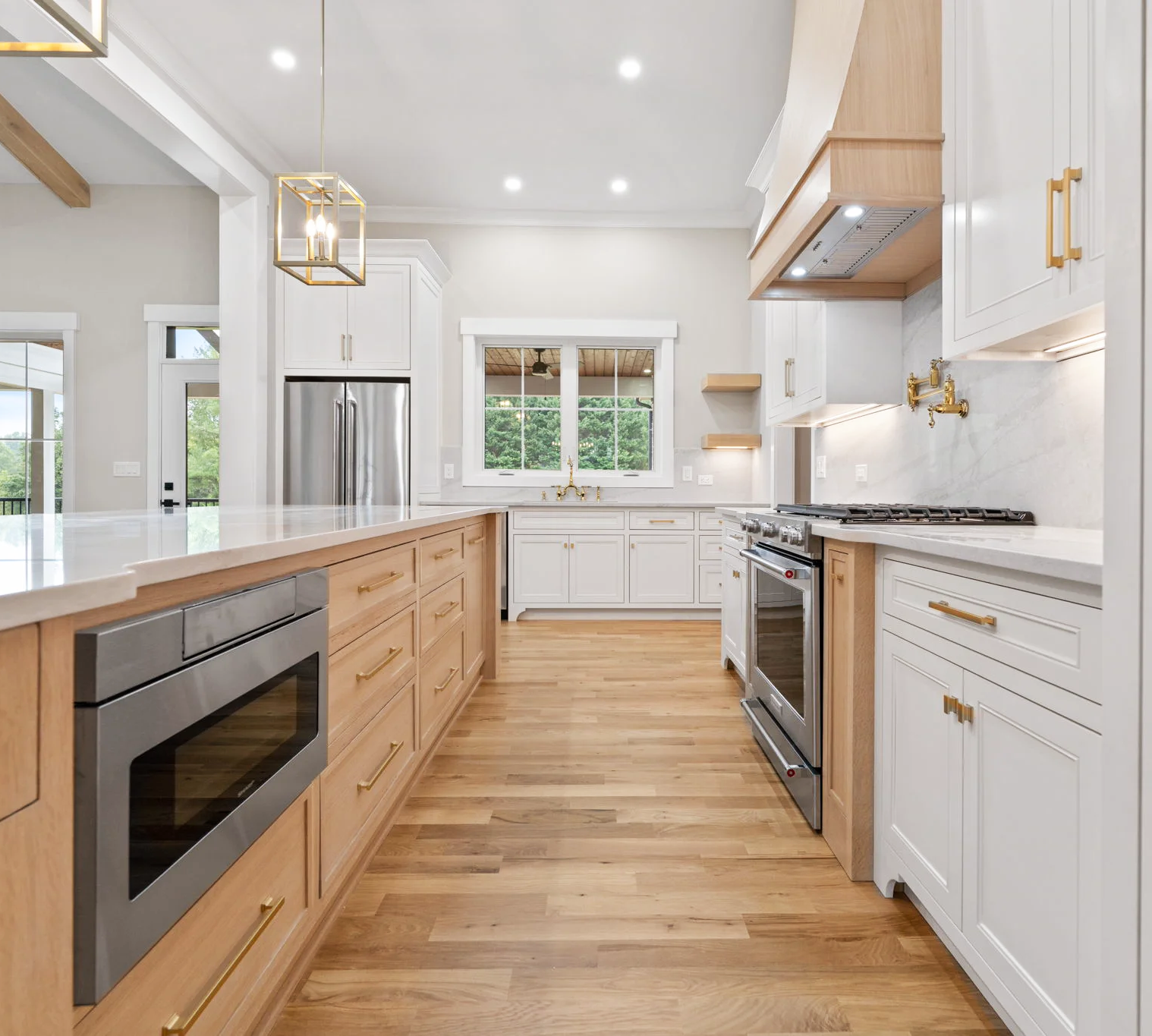
When property owners think about upgrading their homes, they frequently come across many different types of services designed for specific preferences and preferences. These projects are generally grouped into various categories, each focusing on particular areas of house upgrades. Kitchen remodeling focuses on updating appliances, storage units, and layouts to boost Port Hope Remodeling Contractor practicality and visual appeal. Bathroom upgrades generally mean improving the fittings, tiles, and shelving options for improved comfort and visual flair.
Complete residential remodeling includes extensive modifications to the entire house, sometimes requiring major structural work to make the most of the space and flow. Outdoor renovation projects, conversely, aim to improve the property's street view, dealing with the cladding, roofing, and the garden design. Moreover, niche projects such as completing the basement and loft remodeling help residents make the most of neglected parts of the home. All these service types offers unique benefits, allowing property owners to select choices that align with their vision for their living environment. Understanding these distinctions is crucial to choosing wisely during the renovation process.
Creating an Attainable Financial Limit for Your Renovation Undertaking
What steps ensure their renovation work stays within budget? Creating a sensible budget is crucial. Homeowners should begin by assessing their monetary resources, covering savings and possible funding sources. This preliminary action will help determine how much can be allocated for the renovation while maintaining other fiscal obligations.
Next, homeowners must investigate the expenses linked to their planned updates, taking into account materials, labor, and unexpected costs that frequently occur. Making an exhaustive list of needs helps with distinguishing essentials from desirable features, making it possible to adjust if funds become limited.
It is prudent to set aside an emergency fund, typically around 10-20% of the total budget, to account for surprise expenditures. Regularly reviewing and adjusting the budget as the updating work progresses can also help maintain financial control. Finally, a thoroughly prepared budget not only guarantees project viability but also improves the entire renovation process for property owners.
Choosing the Right Contractor for Your Requirements.
Choosing the appropriate professional can significantly affect the success of a remodeling project. It is recommended that homeowners start by conducting thorough research, looking for suggestions from acquaintances, relatives, or web feedback. It’s vital to verify credentials, including licenses, insurance, and bonding, to verify their standing.
Once potential contractors are identified, property owners must ask for comprehensive quotes and schedules, allowing for informed comparisons. Interviews provide insight into communication styles and professionalism, which are essential for a collaborative process.
Additionally, reviewing past projects through portfolios or references can reveal a contractor's quality of workmanship. It is wise to question them regarding warranties or safeguards, indicating the builder's certainty about their services.
In the end, choosing a professional who matches the homeowner's goals, finances, and schedule fosters a more positive remodeling experience, guaranteeing that the project meets expectations and transforms the living space effectively.
Organizing and Conceptualizing Your Perfect Area.
As homeowners envision their ideal spaces, meticulous organization and deliberate design are crucial elements of a triumphant renovation effort. The beginning stage requires reviewing existing necessities and future desires, allowing for a thorough understanding of how the space will be used. It is important for homeowners to weigh practicality, visual appeal, and personal style, making sure the design captures their distinctive choices.
Following this, establishing a thorough budget is crucial. This budget should cover materials, labor, and contingency funds. Engaging with design professionals can offer helpful perspectives, assisting in improving the layout and respecting budgetary constraints.
Including features such as ample daylight, open layouts, and sustainable materials can elevate the living environment. In conclusion, seeing the project via drawings or computer models can help perfect concepts before starting the work. By approaching the planning and design phase with intention, homeowners can build a comfortable, effective space suited to their way of life.
Understanding Regulations and Permits in House Renovation
Understanding the complexities of permits and regulations can be daunting for homeowners embarking on a renovation. Every local government sets particular guidelines that determine what is allowed during renovations, typically guided by zoning laws, building codes, and safety standards. Owners need to acquaint themselves with local regulations so they don't incur hefty fees or setbacks in the timeline.
Typically, obtaining permits is crucial for substantial modifications, such as modifying load-bearing elements or electrical work. This process often involves submitting plans for review and may require inspections at various stages.
Working with a skilled professional can make this procedure easier, as they are typically experts in municipal rules and can aid in filing necessary forms. Owners must also maintain clear communication with the municipal planning office to ensure adherence throughout the project. By understanding and maneuvering through these requirements, homeowners can fulfill their improvement aims while ensuring safety and legality in their renovations.
Frequently Asked Questions
How Long Does a Typical Home Remodeling Project Take?
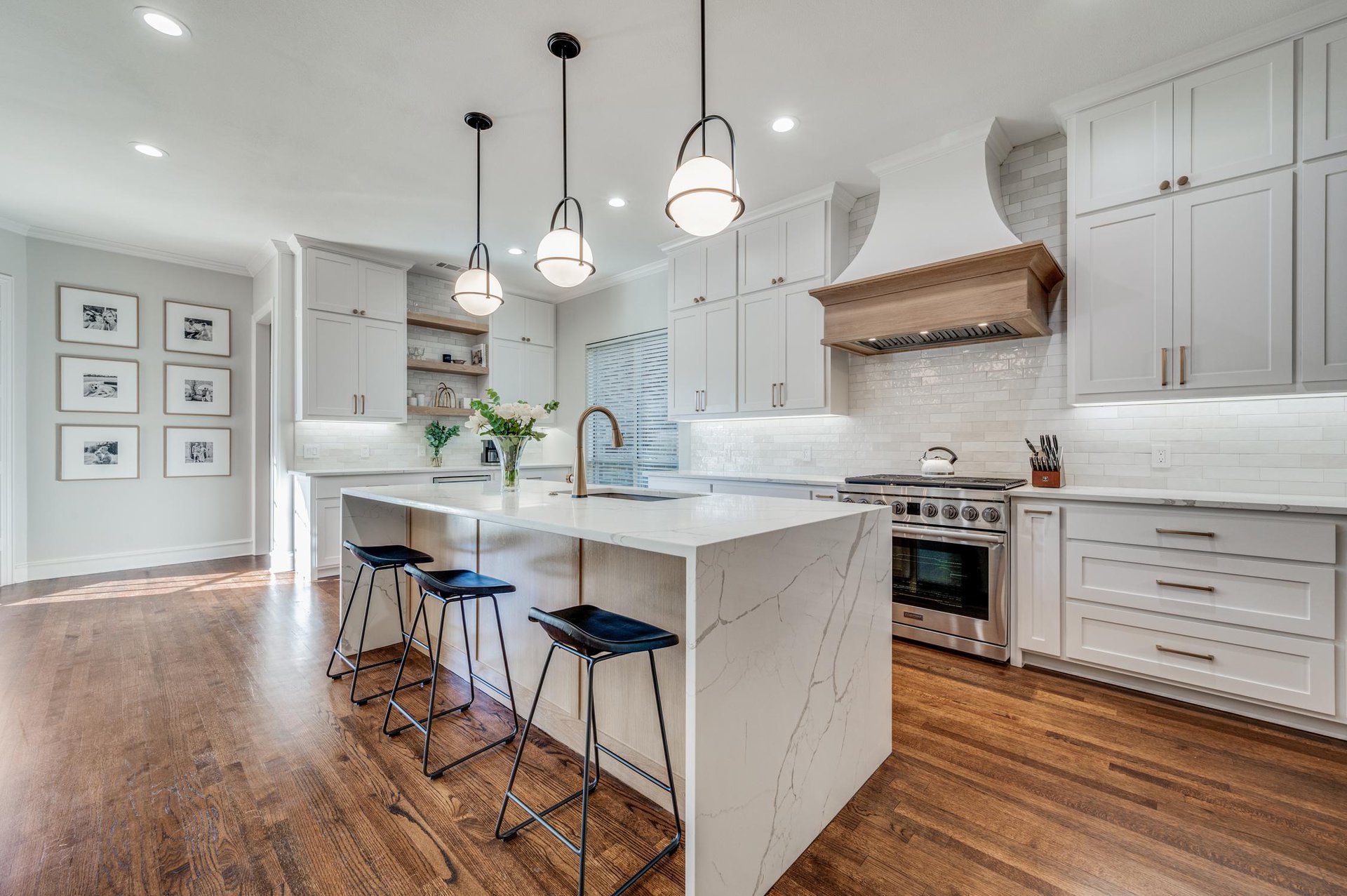
A typical home remodeling project usually takes between three to six months, depending on the scope of work, scale of the house, and material lead times. More involved renovations might need extra time for completion.
What are some common mistakes that people make when renovating?
Typical pitfalls when renovating a home include failing to budget properly, not securing the required permissions, overlooking timelines, not maintaining clear communication with contractors, and not considering long-term functionality. Awareness of these pitfalls helps ensure a more efficient, more successful remodeling experience.
What's the best way to select the appropriate materials for the job?
Choosing the right materials involves evaluating durability, aesthetics, and cost constraints. Investigating available choices, talking to specialists, and factoring in how much care they require can greatly aid in making informed decisions, ensuring the project aligns your needs and preferences.
Will I be able to reside in my property while the remodeling is happening?
It is possible to remain on the premises while work is ongoing, but it might cause disruption. Detailed organization, effective coordination with the renovation team, and creating defined spaces where you can live normally will reduce the inconvenience throughout the project.
What kind of coverage should be provided from remodeling contractors?
Clients typically receive warranties that guarantee the quality of the work, materials, and key building elements, typically ranging from one to ten years. It is crucial to review the fine print and details alongside your builders to clearly grasp what is covered and what is excluded.